Anugraha Bhashan of Pujya Kanchi Shankaracharya Swamiji at India Foundation, New Delhi
06-07-2026
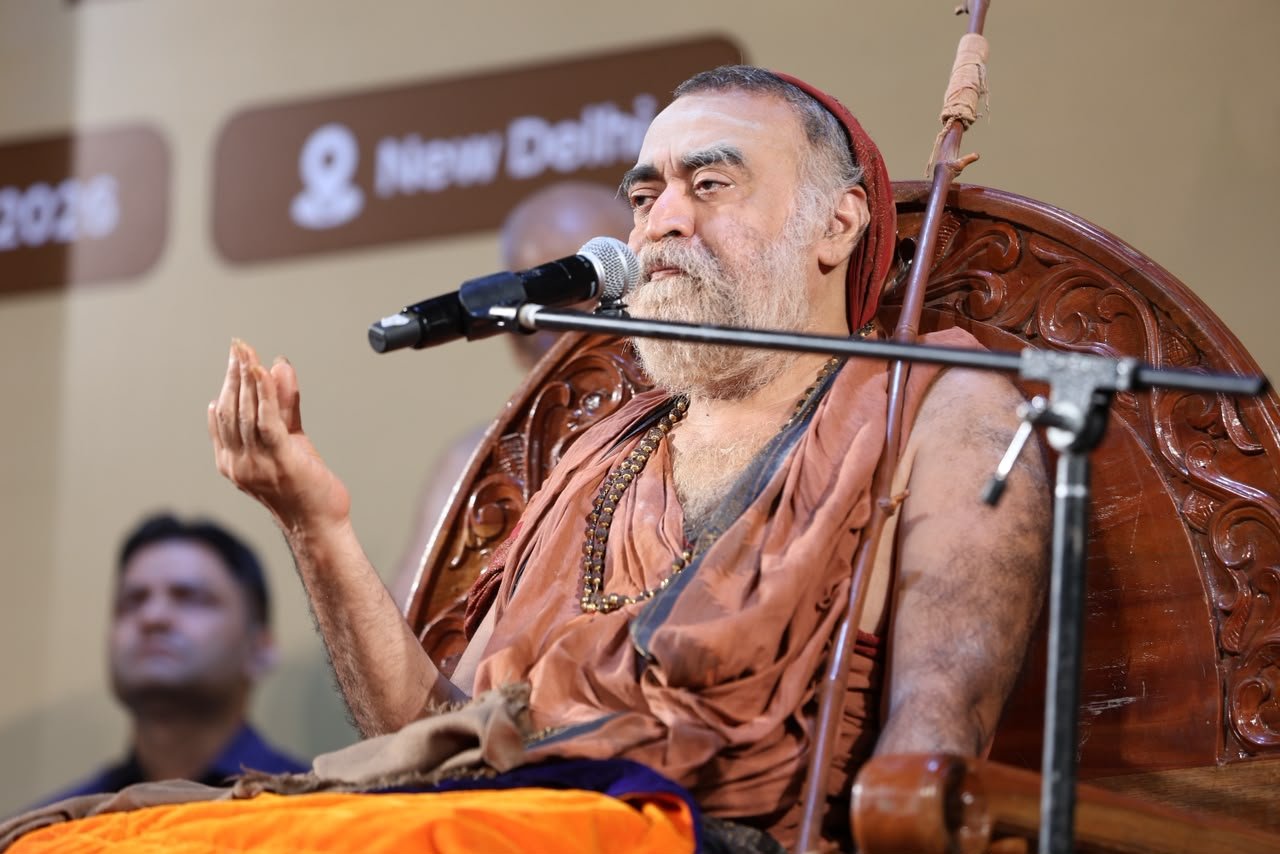
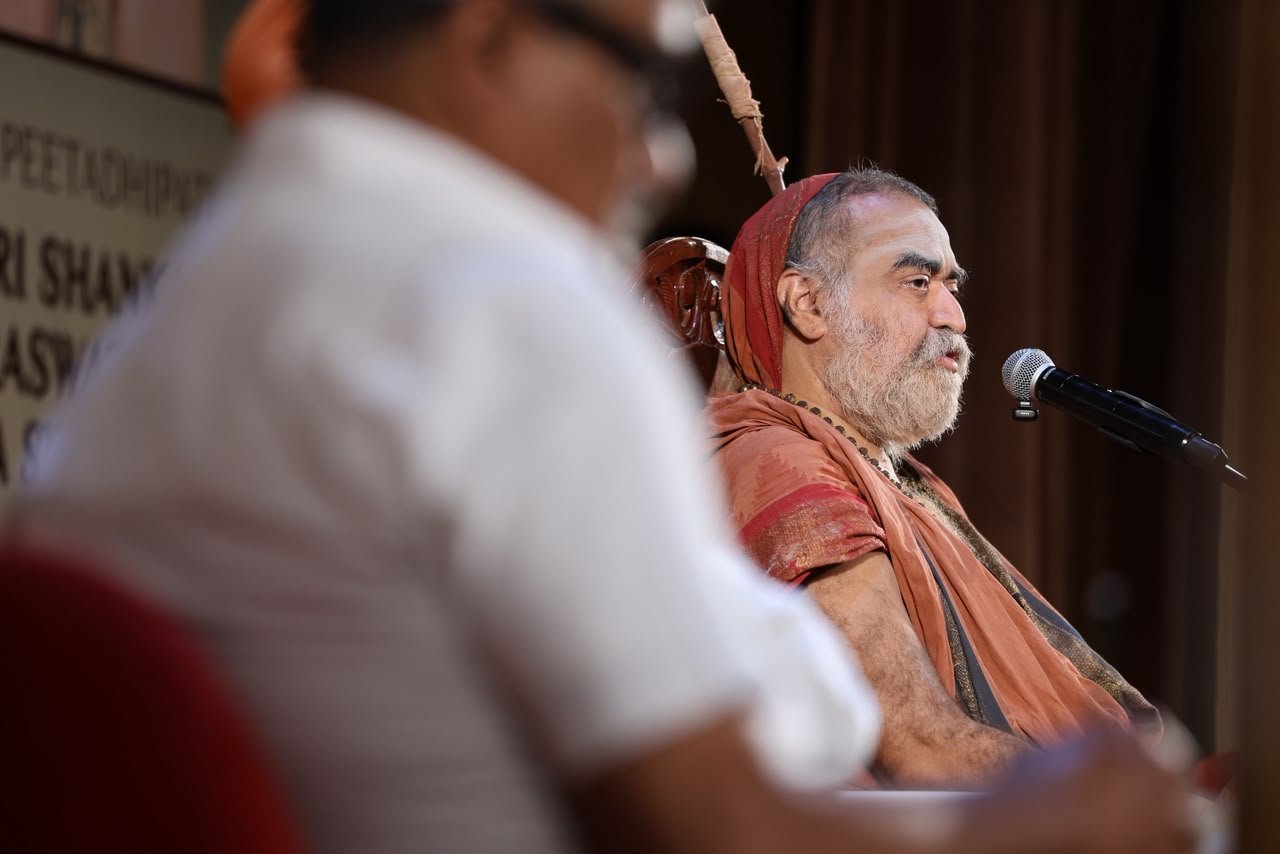
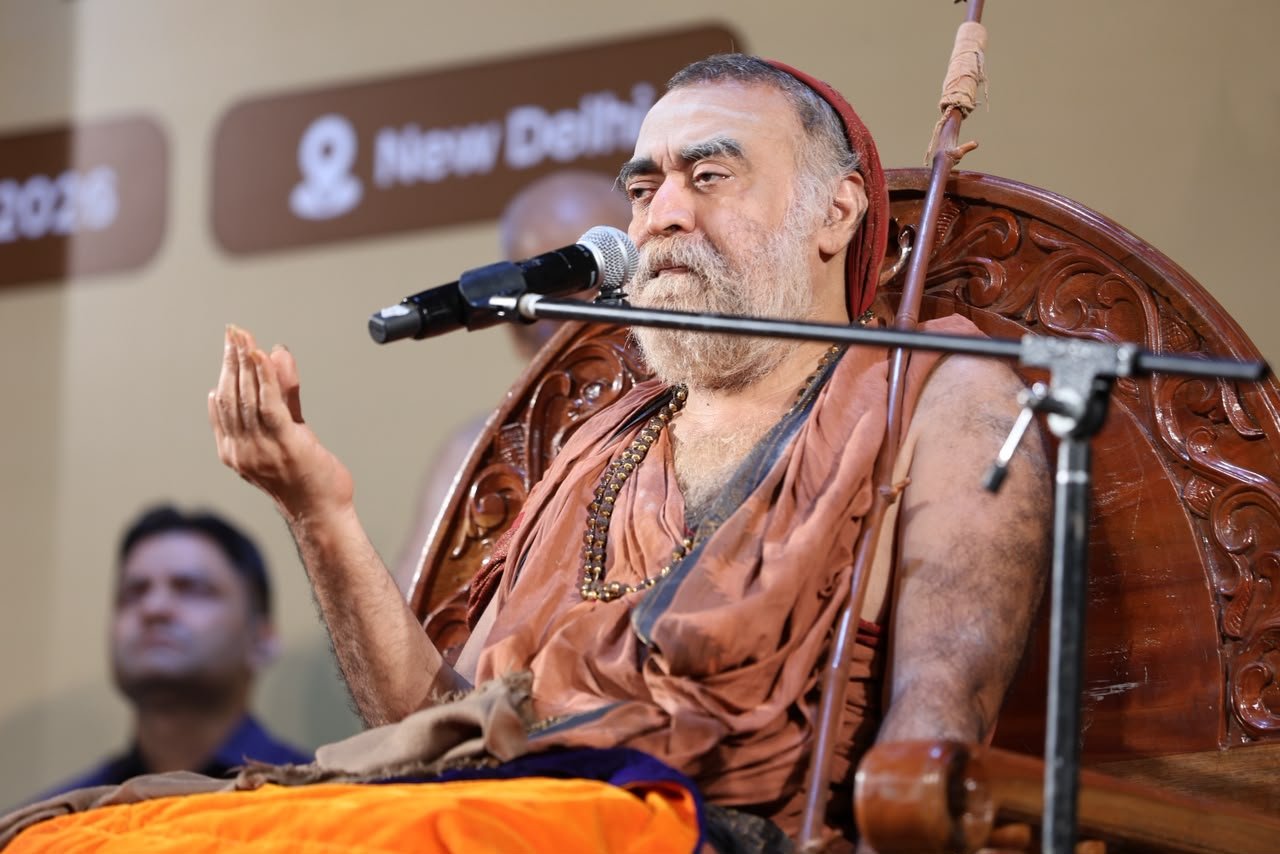
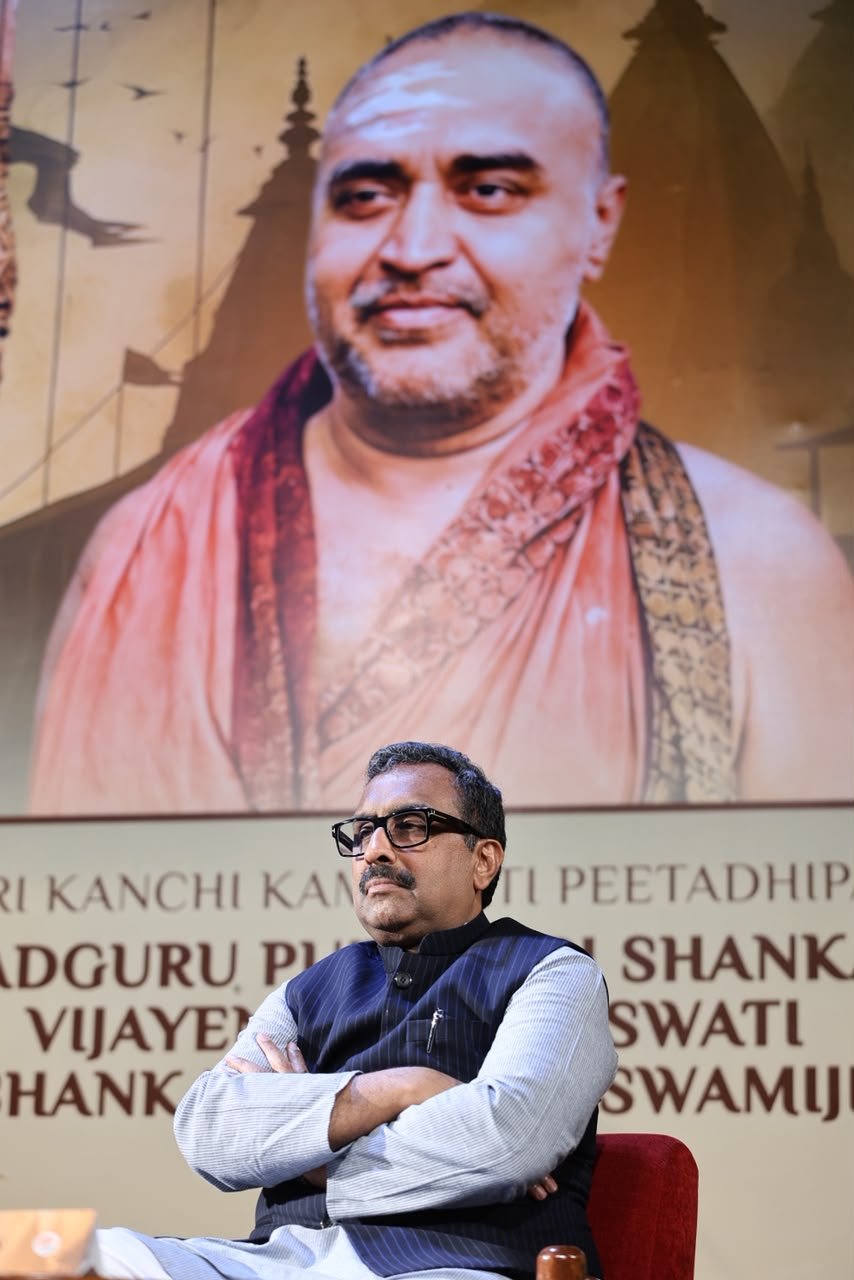
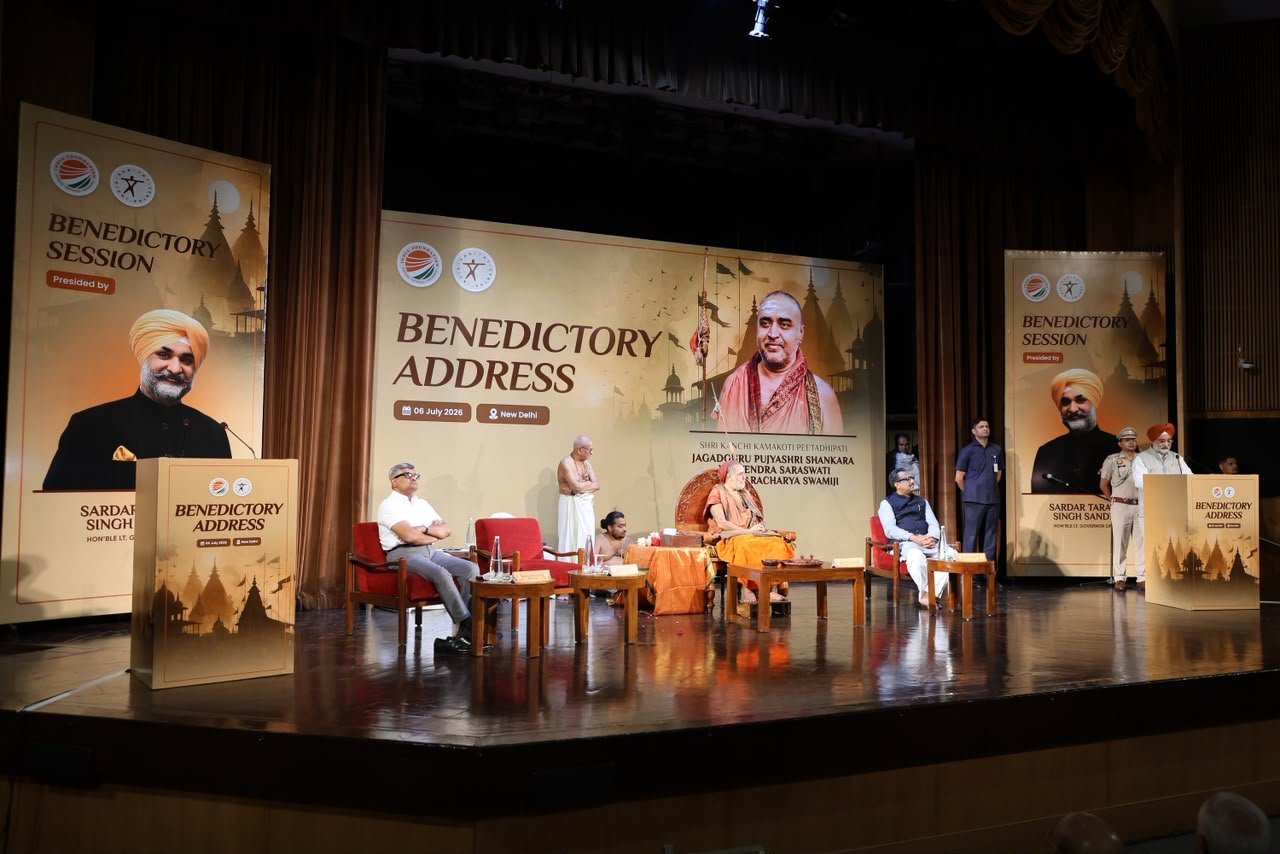
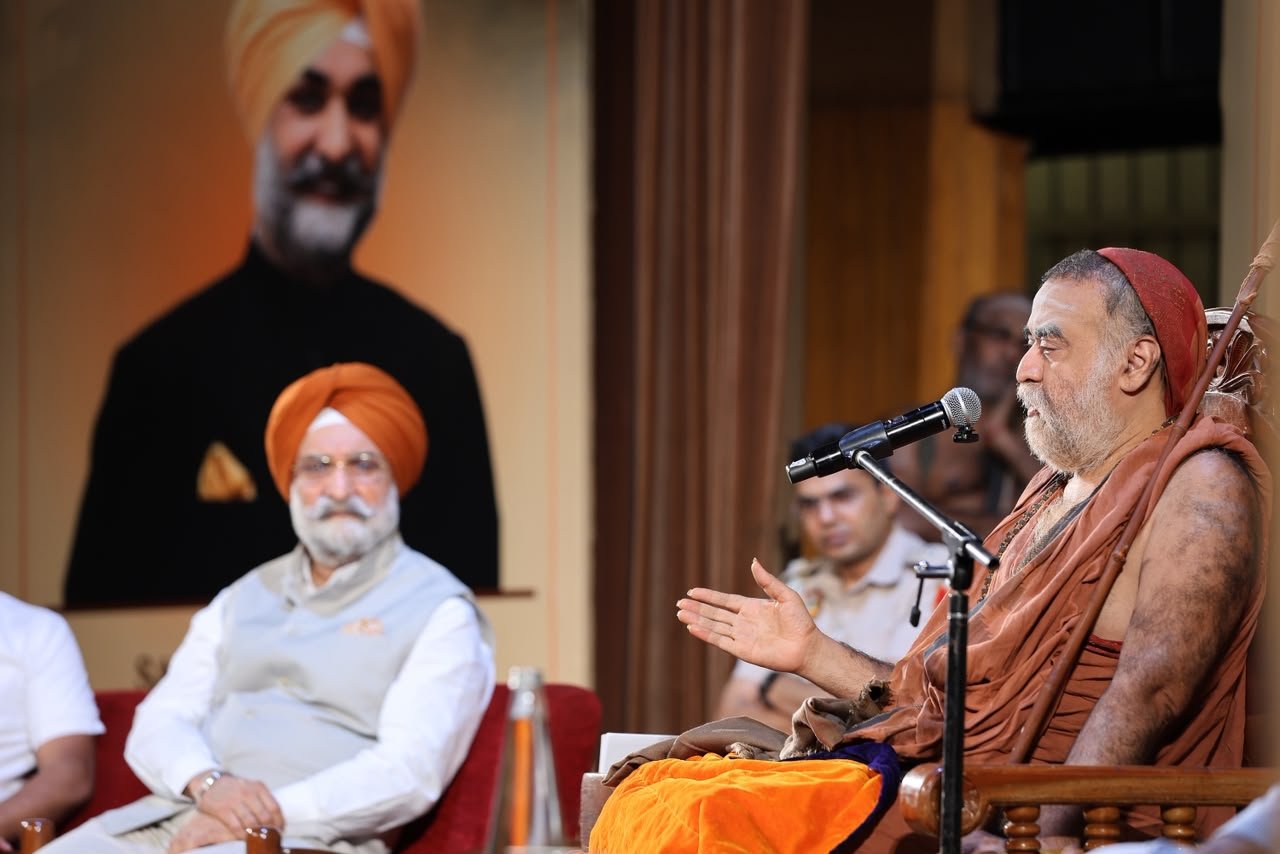
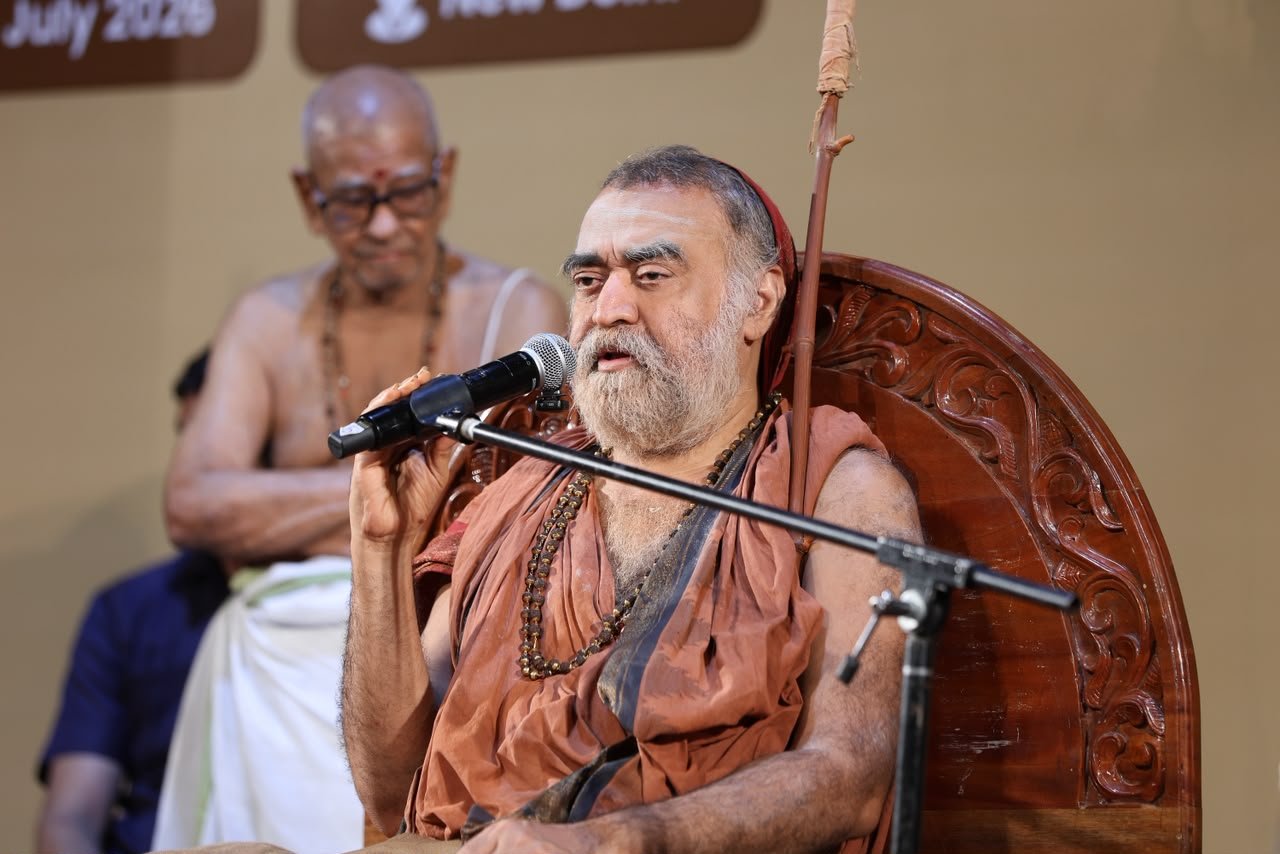
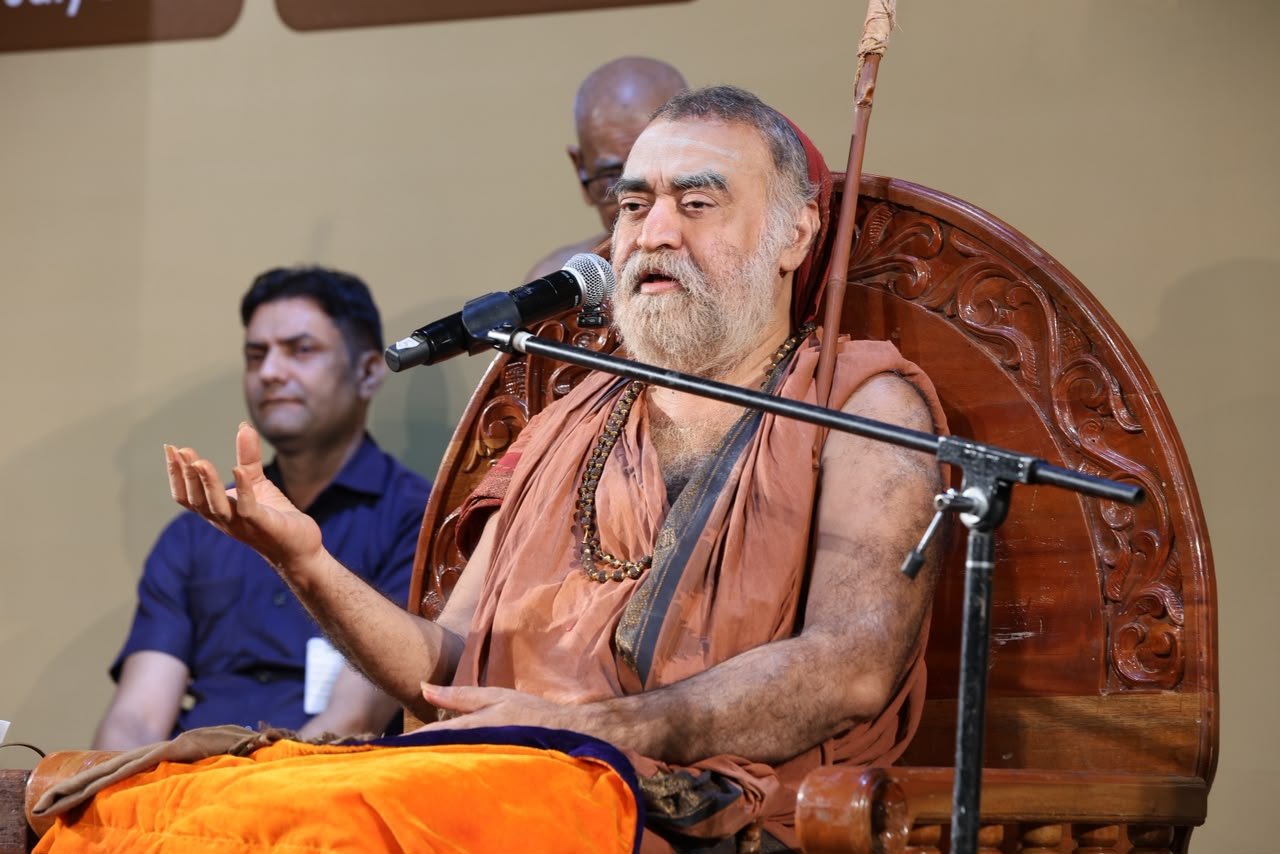
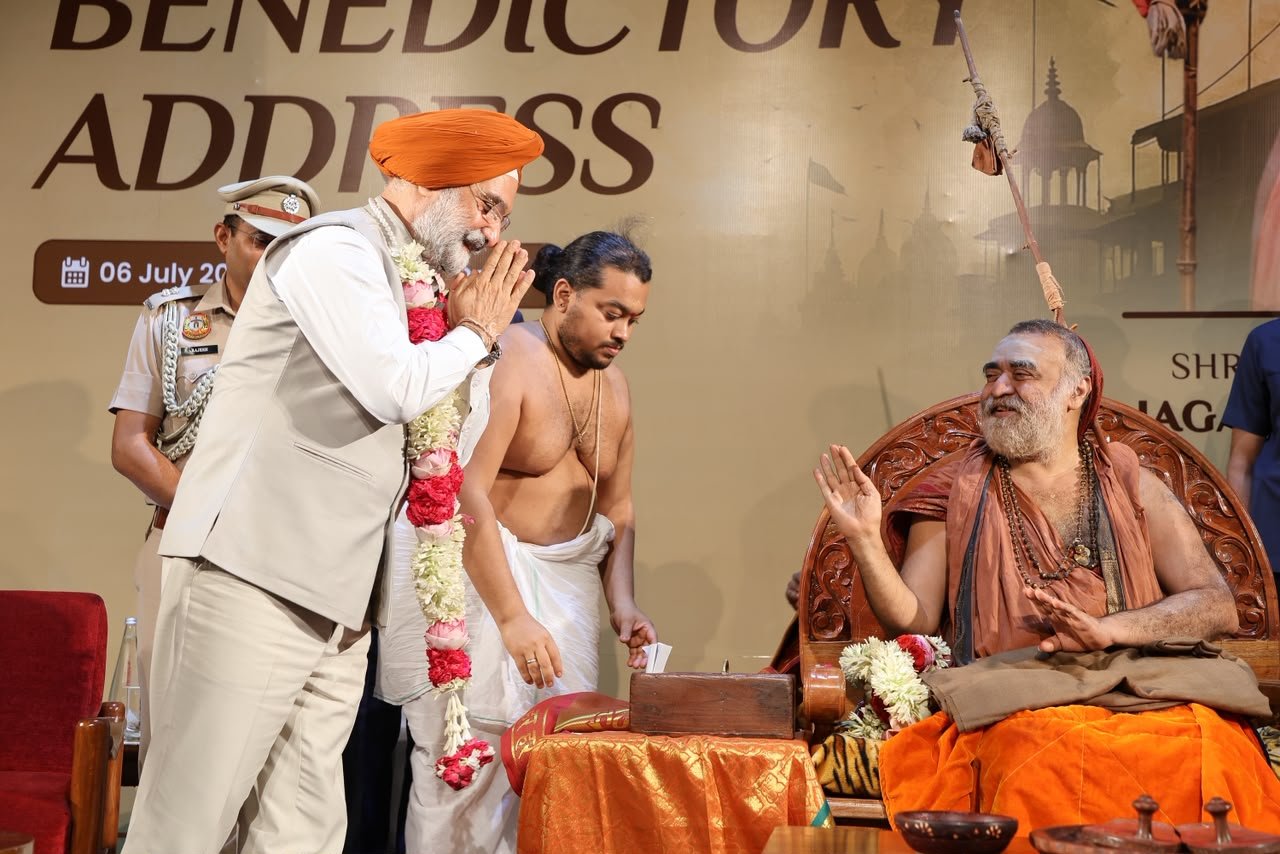
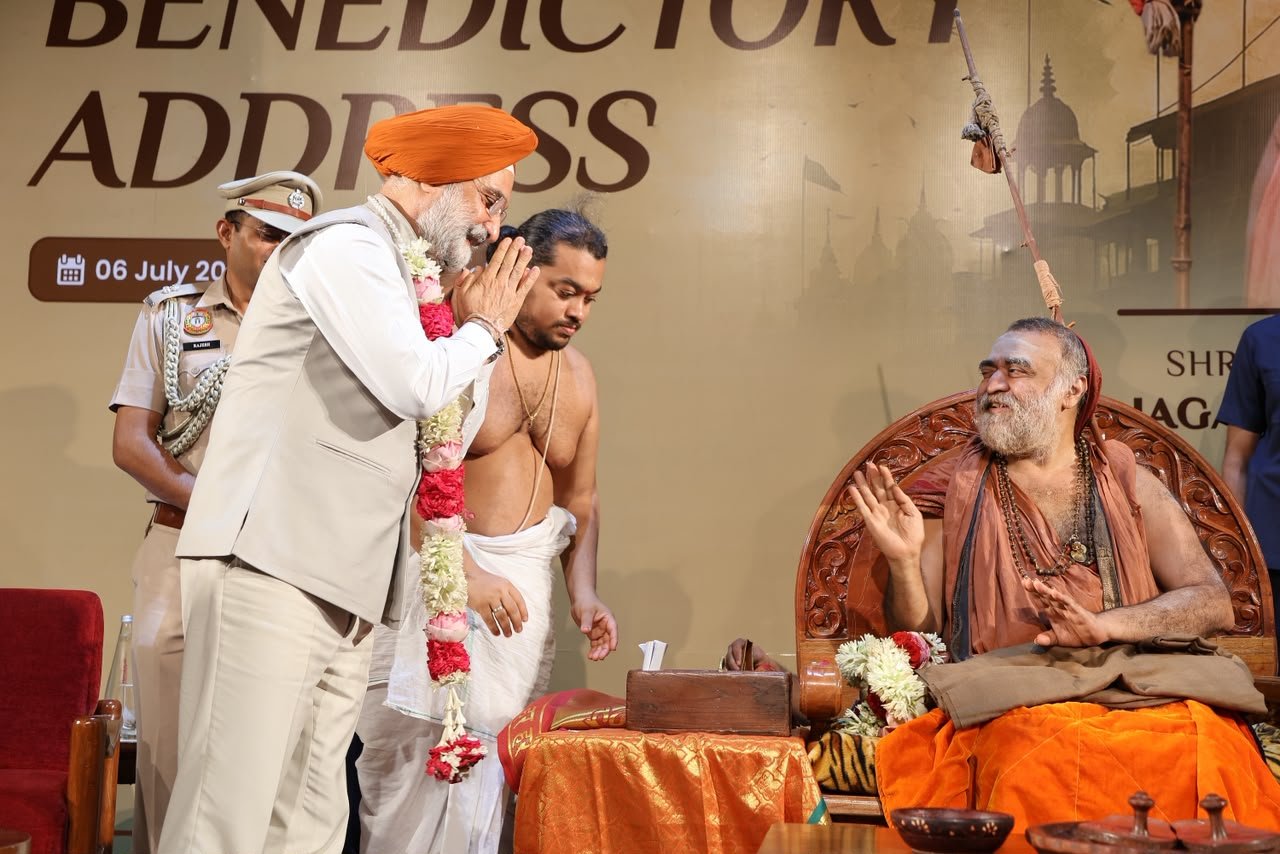
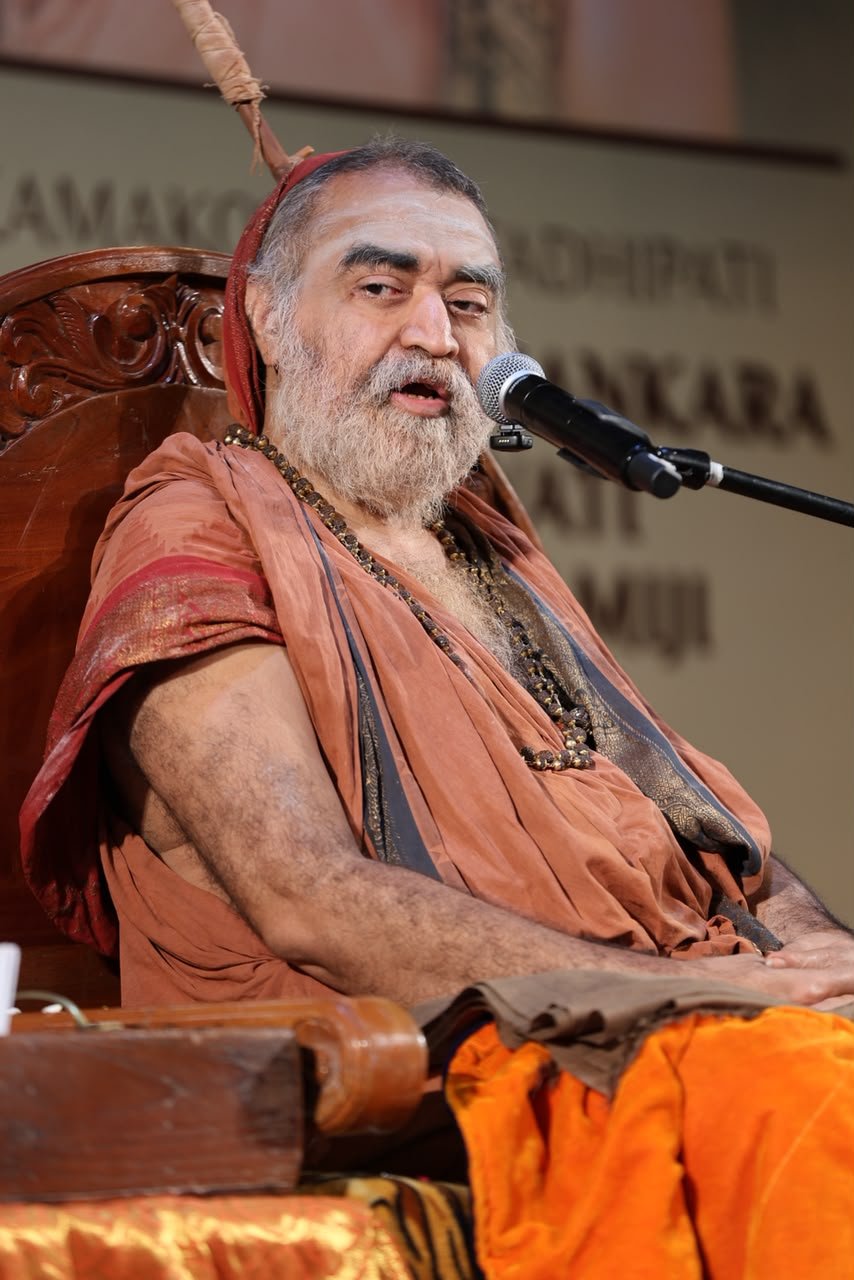
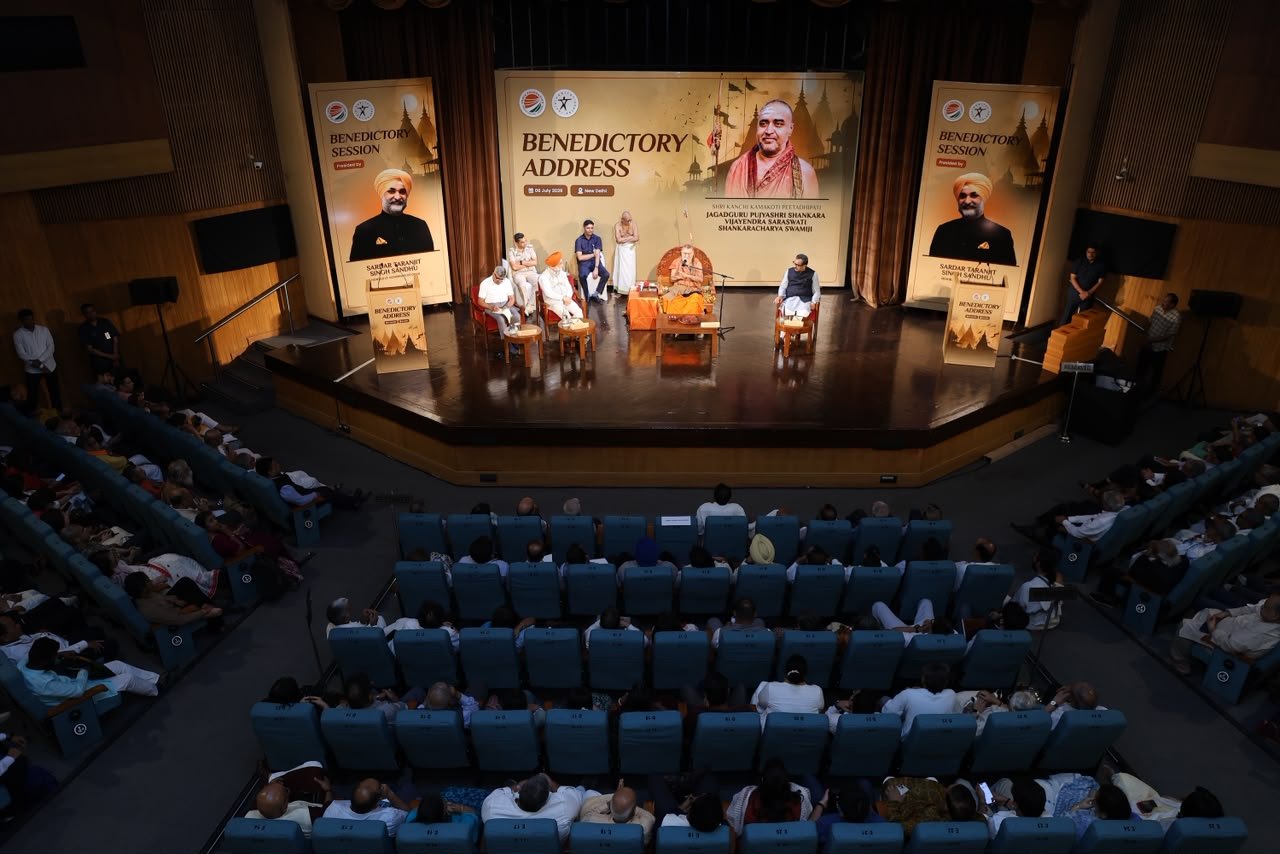
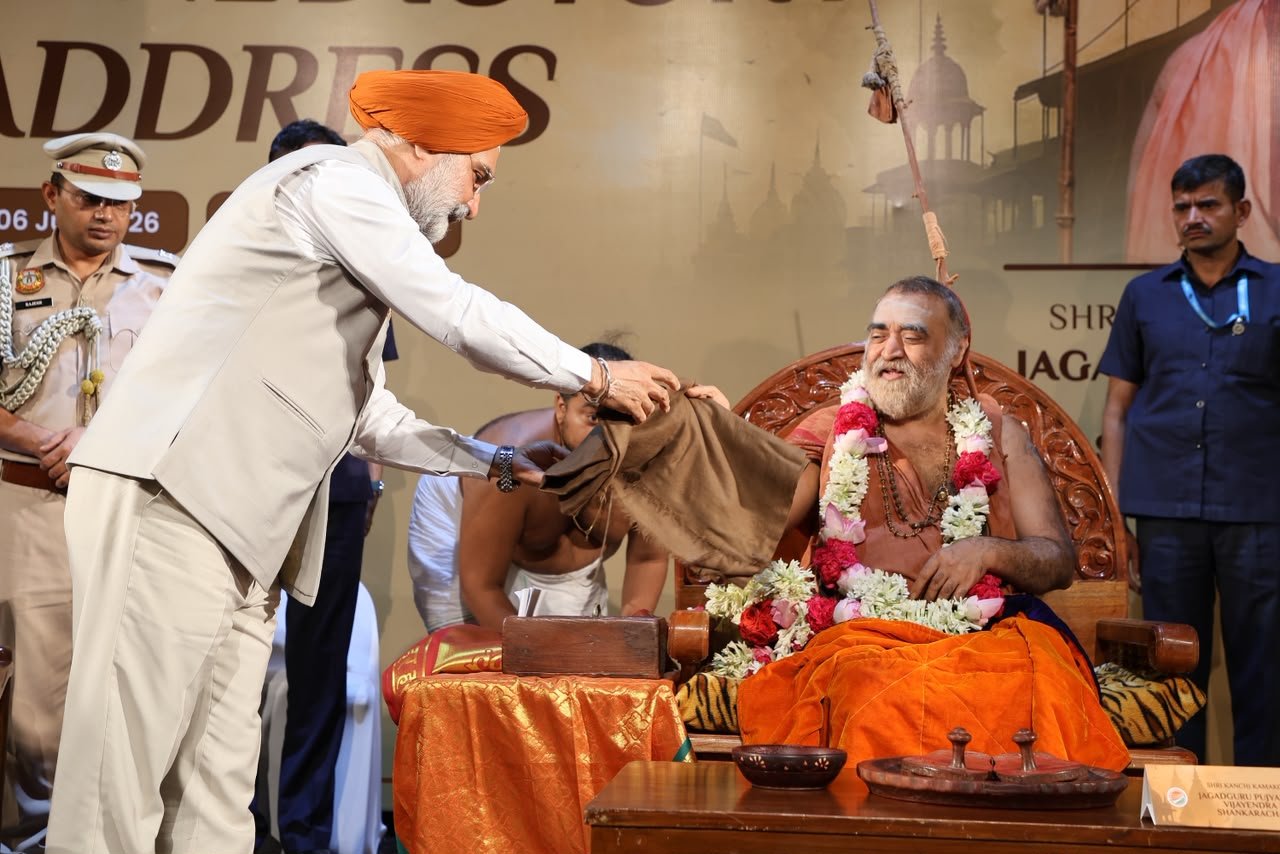
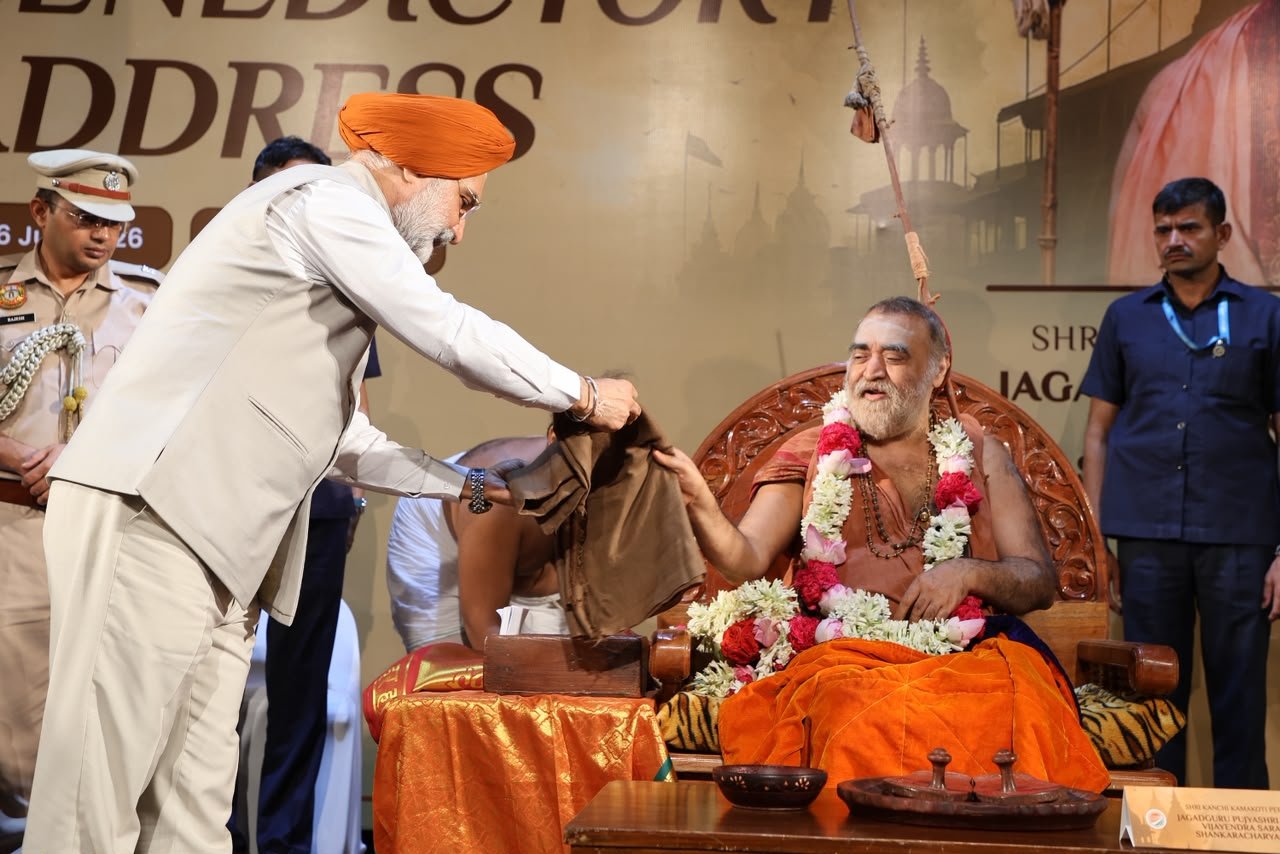
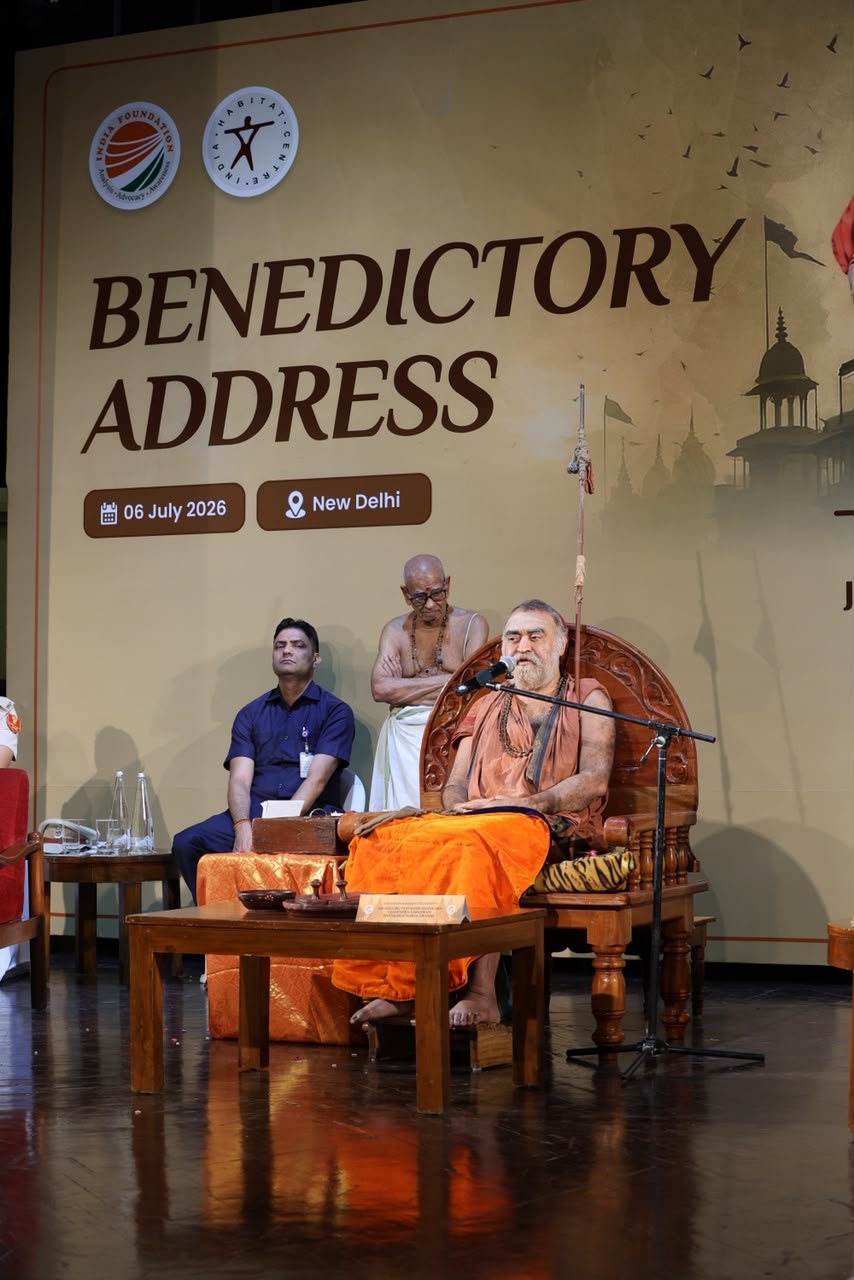
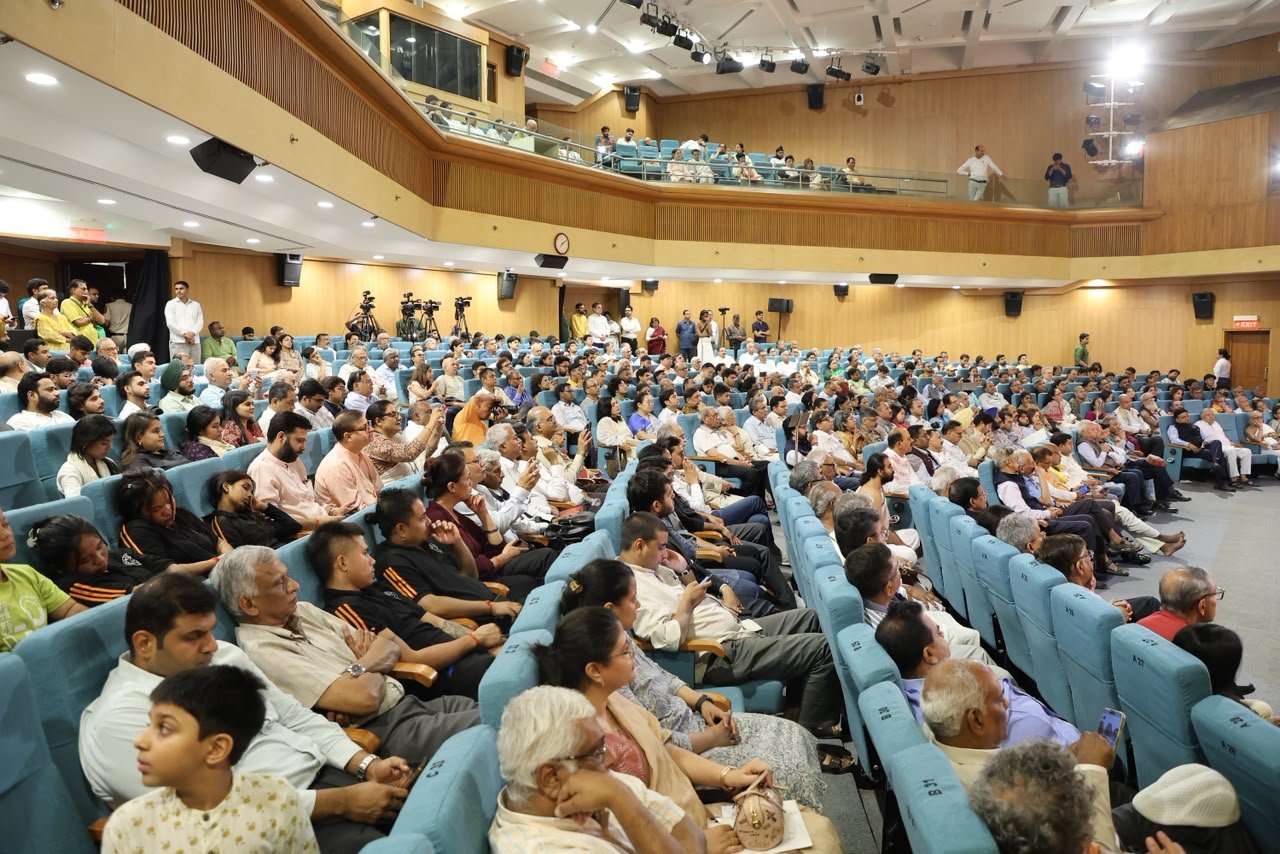
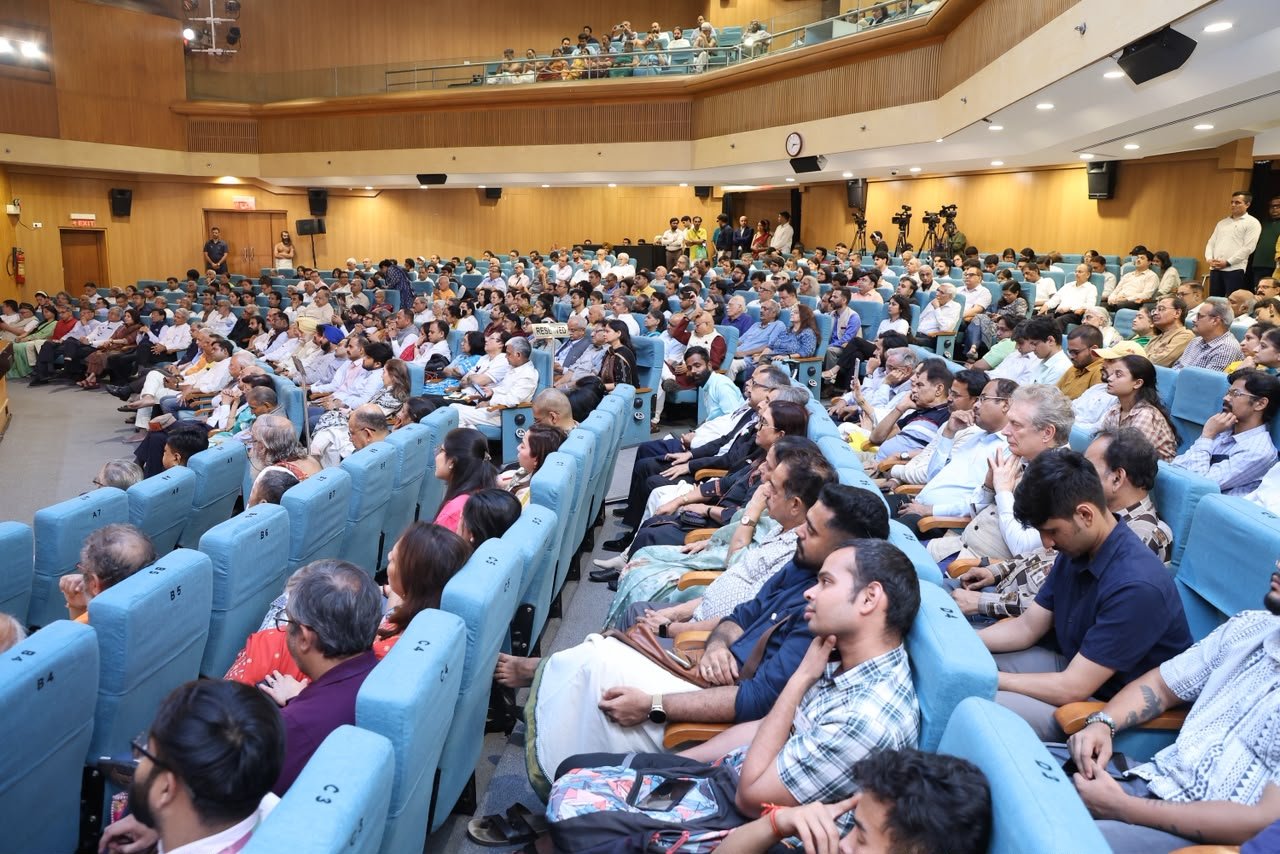
Shri Kanchi Kamakoti Peetadhipati Jagadguru Pujyashri Shankara Vijayendra Saraswati Shankaracharya Swamiji delivered the Benedictory Address organised by India Foundation at Stein Auditorium, India Habitat Centre, New Delhi.
Drawing upon the unbroken spiritual tradition of the Kanchi Kamakoti Peetham, Pujyashri Swamiji blessed the gathering and reflected on the harmony between #Dharma, India's civilisational values, and contemporary national life.
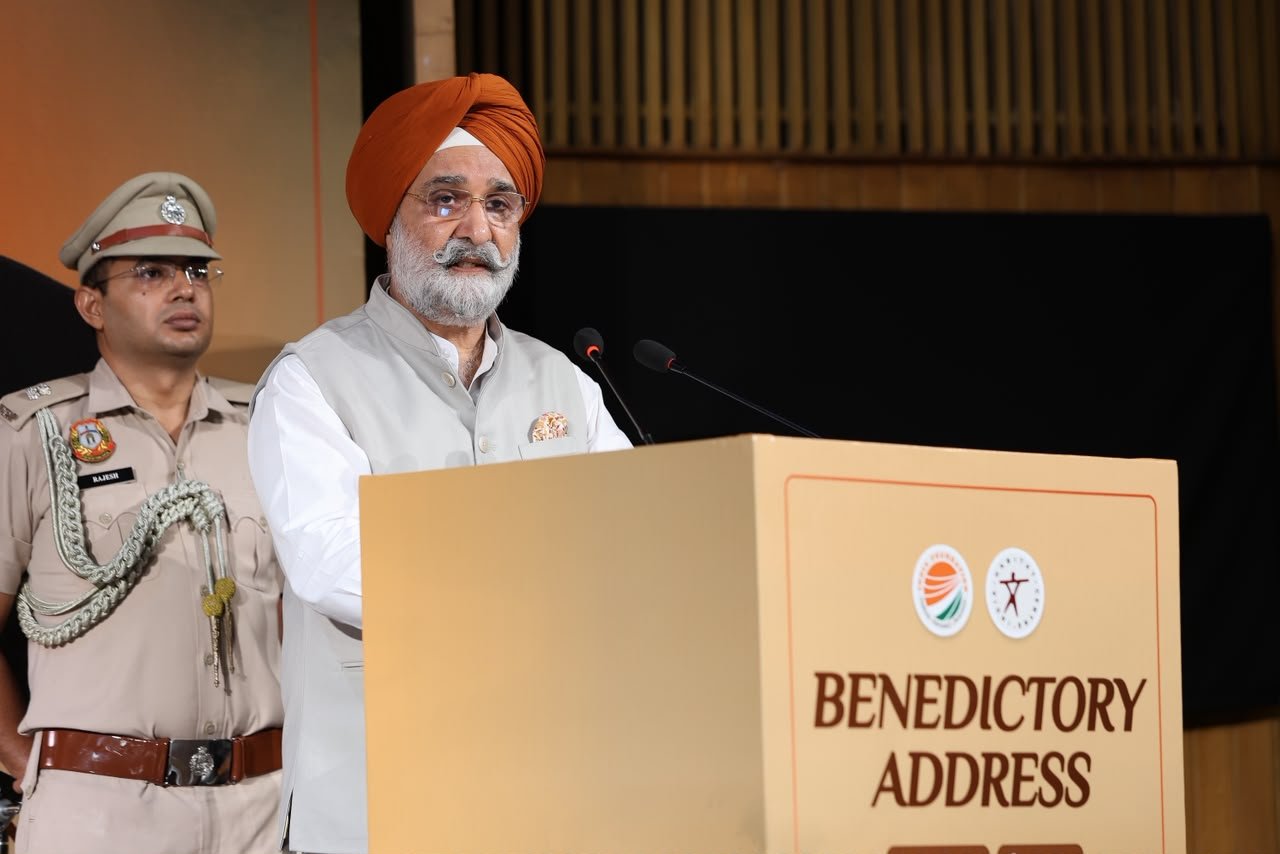
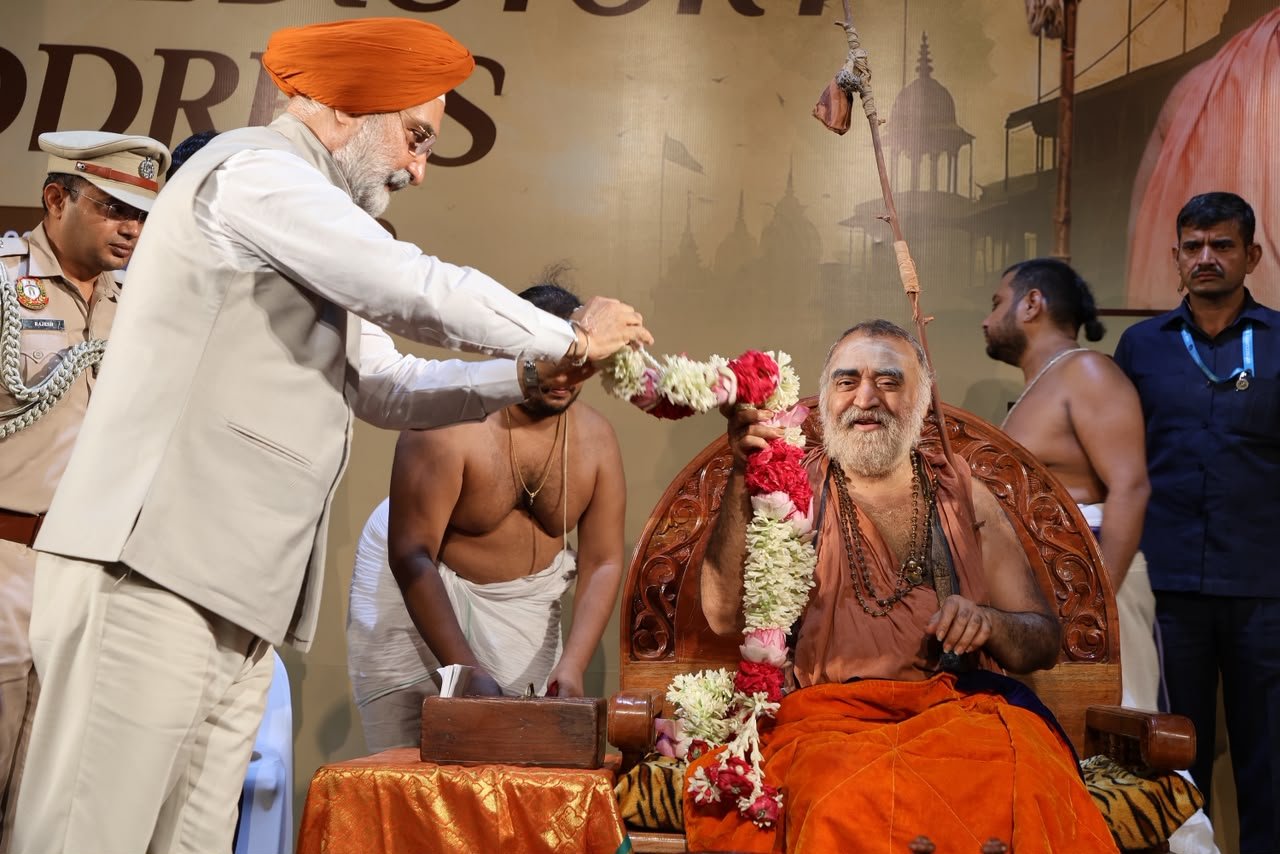
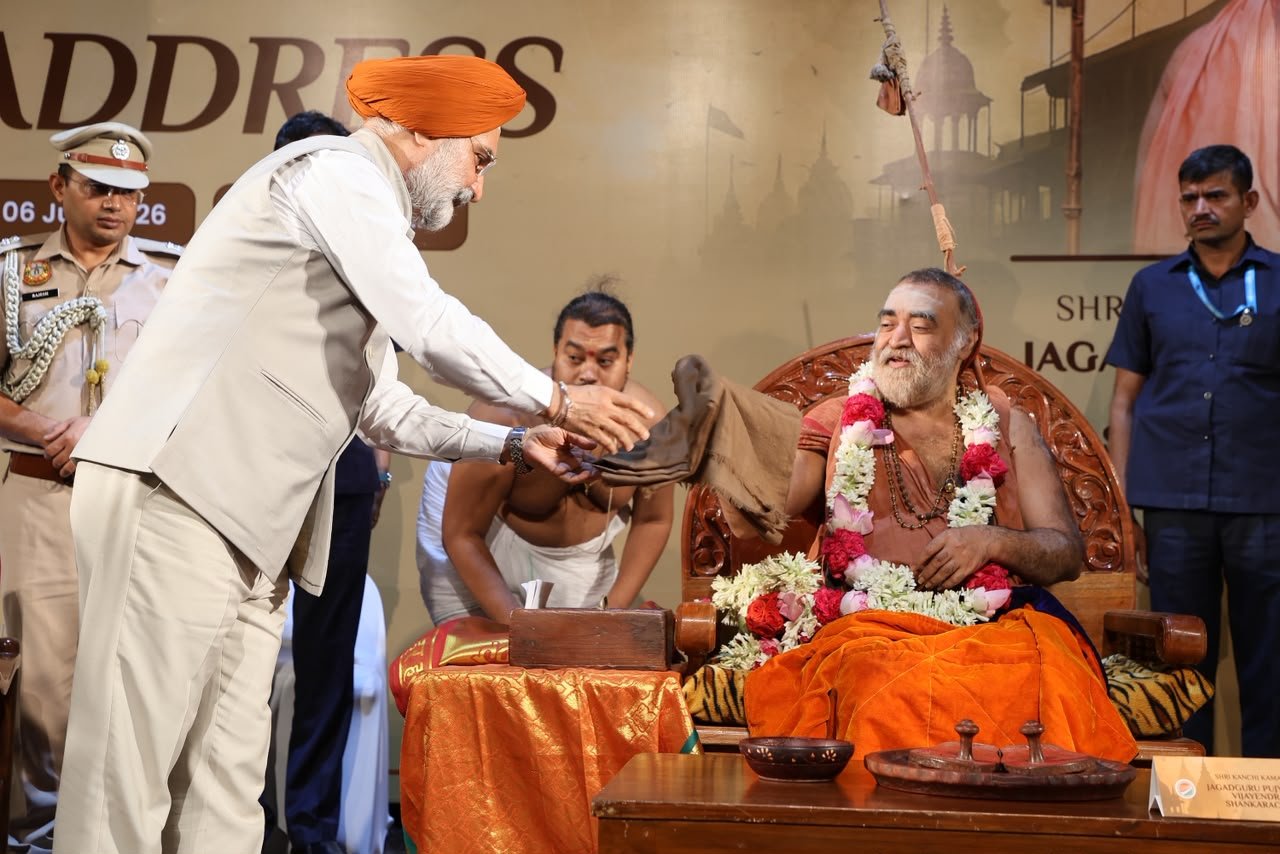
Opening Address by the Lt. Governor of Delhi Sri Taranjit Singh Sandhu Lt. Governor extended a warm welcome to Jagadguru Shankaracharya, and sought His blessings for the people of Delhi. and outlines the immense socio-spiritual contributions of Kanchi Kamakoti Peetam
National Integration: He highlighted Swamiji’s extensive travels (Vijay Yatra) across remote regions, including Northeast, Punjab, and Jammu & Kashmir, to foster cultural unity & social harmony
The Three Pillars: He summarized the Peetam's core mission through three concepts: Veda (Faith & Dharma): Preserving rare Vedic branches and nurturing thousands of scholars. Vidya (Education): Blending ancient Shastras with modern schooling (e.g., establishing over 22 Sankara schools, specialized colleges, and universities). Vaidya (Healthcare): Providing affordable, charitable healthcare via networks like Sankara Nethralaya and subsidized eye care facilities across multiple states.
Benedictory Address by Shankaracharya Swamiji
Swamiji details the unbroken historical legacy of the Peetam and shares profound insights into how spiritual ideals can guide modern governance and society.
Legacy of the Paramacharya (Pujyashri Chandrasekharendra Saraswati Swamiji)- Swamiji pays homage to his Guru's Guru, who dedicated his 100-year life to the nation and spiritual dharma: Swadeshi & Freedom Struggle: In 1927, the Paramacharya met with Mahatma Gandhi in Kerala to offer support and blessings for the independence movement. Driven by a stark Swadeshi (indigenous) vision, he permanently gave up wearing silk in 1922 to wear coarse hand-woven Khadi instead.
Three Pillars for Youth (1934 BHU Speech): During a historic address at Banaras Hindu University, the Paramacharya gave a three-fold mandate to young people : in addition to mastering modern sciences and contemporary education, commit to regular spiritual practices and internal growth, and dedicate time to rural service and poverty alleviation.
Constitutional Contributions: Swamiji highlighted that the word "denomination" used in Articles 25 and 26 of the Indian Constitution was directly drafted and sent by the Paramacharya to legal leaders like B.R. Ambedkar and Sardar Vallabhbhai Patel to securely shield the rights of traditional maths and temples
Saving the Atharvaveda: When the Atharvaveda was down to its last surviving family in Gujarat, the Paramacharya funded scholars to study under them for years . This intervention effectively revived the lineage, leading to more than 200 practicing Atharvavedi scholars today.
Preserving Global Sanskrit History: The Mahaswamiji established a dedicated trust to translate historical Sanskrit inscriptions found in India and abroad (such as Indonesia, Nepal, and Afghanistan) . Swamiji specifically pointed to a 1,400-year-old inscription found in Kabul, Afghanistan, detailing a Ganesha temple consecration from 600 CE.
Social Action of Pujyashri Jayendra Saraswati Swamiji - Swamiji recounts the dynamic, inclusive vision of his immediate predecessor: Grassroots Financial Upliftment: Pioneered "Loan Melas" and micro-credit support for traditional artisans, small-scale industries, and rural communities long before modern schemes existed
Interfaith Dialogue & Conflict Resolution: Actively stepped forward to facilitate peaceful discussions during the Ayodhya dispute, personally visiting Lucknow to hold direct dialogues across political and religious lines .
Swamiji’s Vision for Modern India
Swamiji concludes by discussing how ancient wisdom bridges the gaps in modern lifestyle and governance:
Civilizational Strength: Rather than relying entirely on external enforcement like laws or security cameras, true societal peace stems from self-discipline (atmasanyam) and mutual trust.
The Rural-Urban Bridge: Swamiji emphasizes that the family, the village, and the temple are the foundational pillars of India's civilizational economy. Channeling urban resources to empower rural services can create self-sustaining communities and prevent forced migration.
Global Guidance: Swamiji calls for an integrated approach combining Trade, Tradition, and Technology . While learning from Western technological advancements is excellent, India remains civilizationally self-sufficient. He beautifully summarizes this distinction: "They show love, but we live in love."
Back to news page